
Follow Us

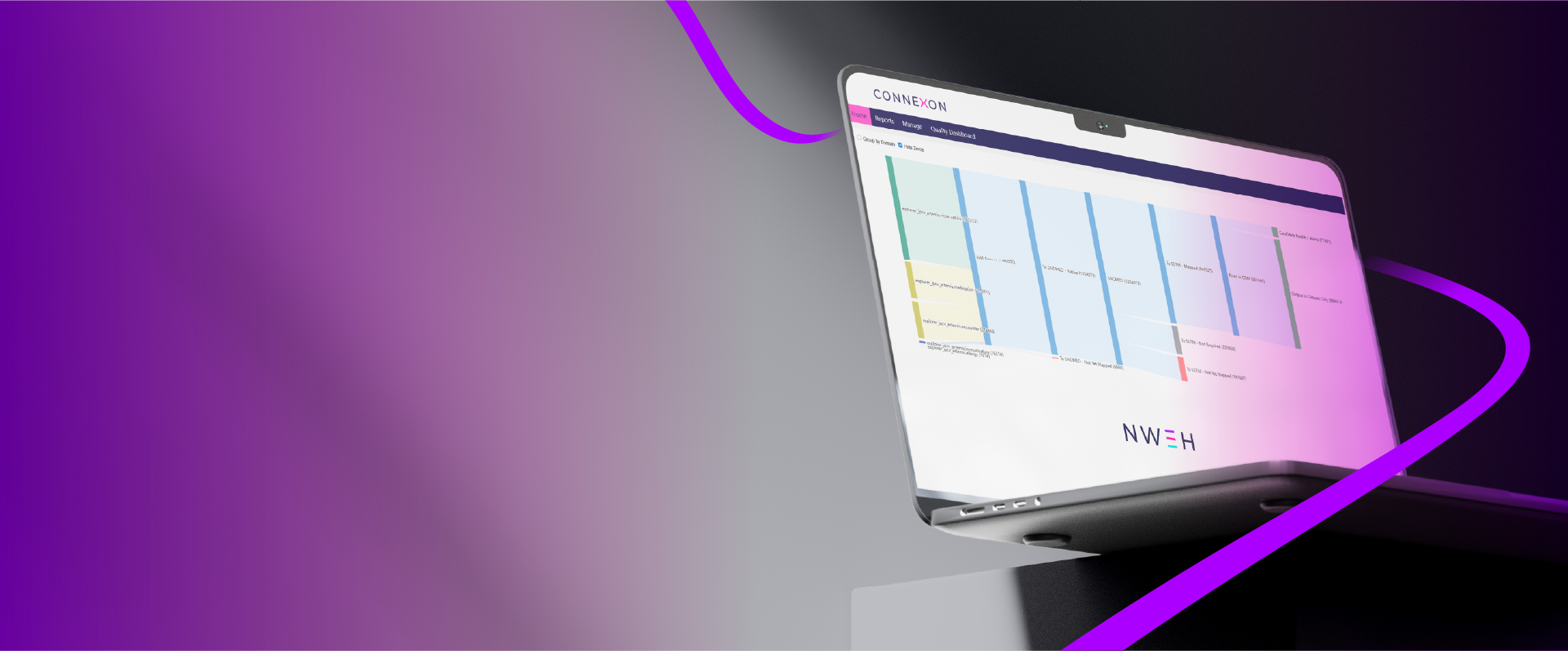
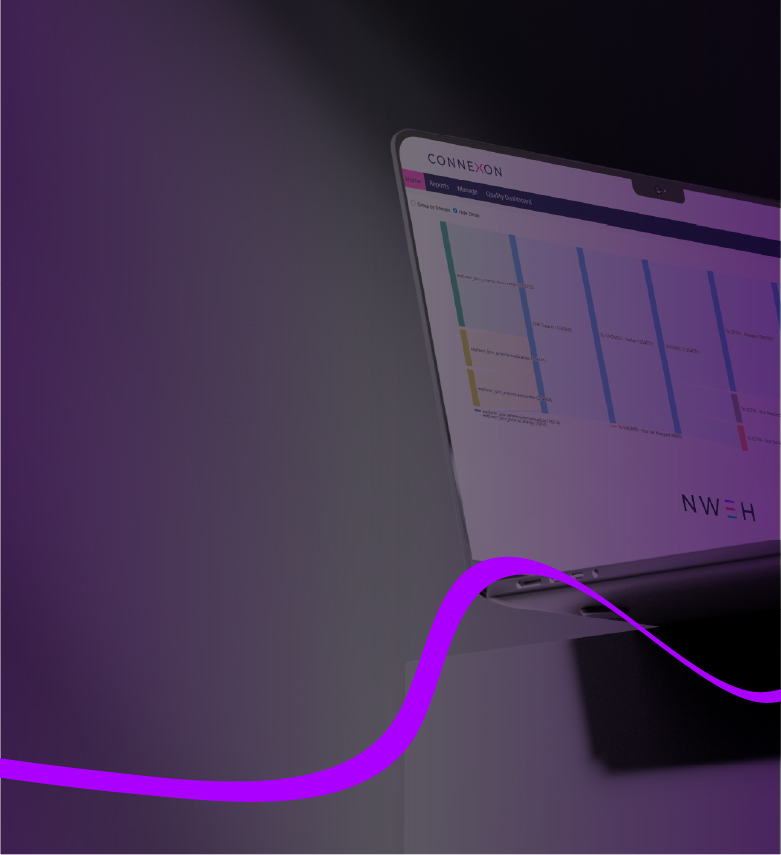
ConneXon combines configurable electronic data capture (EDC) with electronic health records (EHRs) and other connected data sources.
Rather than relying on manual entry for every data point, ConneXon helps sponsors capture what the protocol requires while reducing unnecessary duplication and supporting clinical oversight. Its configurable eCRFs can be designed in line with CDASH standards to enable research teams to collect study-specific information while reusing relevant healthcare data already available within the platform.
Traditional EDC workflows can require investigators to transcribe information from healthcare records into study forms. This creates additional workload, introduces opportunities for error and can lead to discrepancies between source and study data.
ConneXon takes a data-first approach. Where relevant information is available in connected EHRs and meets the study’s requirements, it can flow directly into study datasets without first being copied into an eCRF. Configurable forms capture the additional information the protocol requires. This means fewer unnecessary steps between healthcare data and research-ready datasets, with traceability and clinical oversight built into the study workflow.
This allows study teams to combine electronically sourced information with targeted data entry within a connected study environment.
Not all information required by a research protocol is available in routine healthcare records. ConneXon eCRFs can be configured to capture study-specific information, including eligibility criteria, investigator assessments, study endpoints, treatment details, adverse events, events of special interest, study disposition and patient- or clinician-reported information.
By focusing form entry on information that cannot be reliably sourced elsewhere, research teams can reduce repetitive tasks while ensuring protocol-specific requirements are addressed.
Depending on the study configuration and available source data, ConneXon can incorporate relevant information such as medical history, diagnoses, medications, laboratory investigations, clinical events and procedures.
Authorised users review and confirm the relevance of this information before it is used within study forms. This clinical oversight approach combines the efficiency of data reuse with the clinical judgement and oversight required in regulated research.
Completing adverse event (AE) and serious adverse event (SAE) forms can require investigators to gather information from multiple sources. ConneXon brings relevant participant information into a connected workflow to support form completion and review.
Medical history, medication, laboratory results, diagnoses and clinical event information can provide additional context. Investigators remain responsible for clinical assessments, including severity, causality and outcomes to study treatment.
Manual transcription can introduce discrepancies between healthcare records and study databases, creating additional source data verification, data clarification queries and reconciliation work.
By reusing connected source data, ConneXon can reduce transcription steps and help maintain traceability between original information and its use within the study. The extent of these benefits depends on the protocol, source data availability and agreed study configuration.

An electronic data capture system is used to collect and manage clinical study information electronically. Data is typically entered into electronic case report forms by investigators, research nurses or other authorised study users.
ConneXon is a validated clinical research platform that includes configurable electronic data capture, role-based access, audit trails, electronic signatures and controlled data-management workflows.
CDASH stands for Clinical Data Acquisition Standards Harmonization. CDASH provides standardised data collection concepts for clinical research, helping create consistency between data capture and downstream CDISC SDTM datasets.
ConneXon forms are designed using CDASH concepts and can be configured around the protocol and sponsor requirements. Study-specific fields can be added where the required information is not covered by the standard concepts.
Yes. Configured forms can use relevant information available from connected source data. An authorised user reviews and confirms the information before it is included in the form.
Depending on the study and available source data, ConneXon can support the population of relevant concomitant medications, medical history, laboratory investigations and results, diagnoses and associated clinical context.
No. The system helps locate and reuse potentially relevant information, but the investigator or authorised safety user must confirm its relevance and complete clinical assessments such as causality, severity, outcomes to study treatment.
Where ConneXon ICSR is configured, information from a completed SAE can be mapped into an ICH E2B(R3) message for transmission to the sponsor pharmacovigilance system.
No. ConneXon can combine eCRF data with information received from electronic health records, laboratories, eCOA, wearables and other connected systems. Forms can therefore focus on information that is not reliably available from another source.
Yes. ConneXon eCRF data can be combined with other study information and mapped into CDISC SDTM-aligned datasets according to the agreed study specification.
Yes. The EDC can be used for structured study data capture where electronic health record data is not available. However, connected source data provides additional opportunities to reduce transcription and create a more complete participant record.